

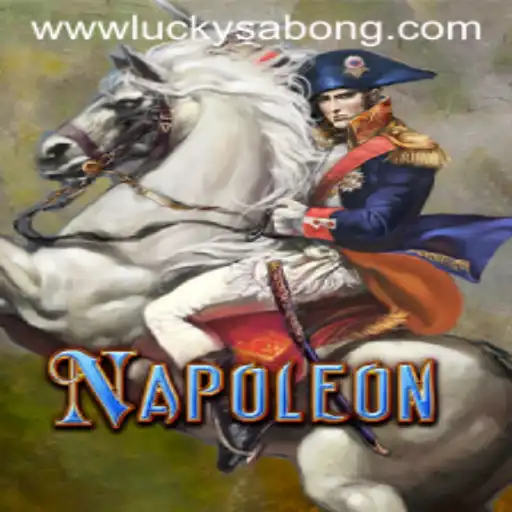

In the vibrant and ever-evolving world of card games, Napoleon stands out for its strategic depth and captivating gameplay. But when combined with the excitement of Lucky Sabong, a unique twist is introduced that elevates the experience to new heights. This article delves into the intricacies of the game, exploring its origins, rules, and the thrilling dynamics introduced by Lucky Sabong.
Napoleon is a trick-taking game that traces its origins back to the 19th century. It emerged as a popular pastime among British soldiers, named in reference to the esteemed French military leader Napoleon Bonaparte. Over the years, the game has evolved, incorporating regional variations and rulesets that have enriched its tapestry.
The original version of Napoleon is typically played with a standard 52-card deck, and involves five players. However, variations exist that accommodate a wider or smaller group of participants. Each round, players vie to outwit their opponents by predicting the number of tricks they can take, challenging their strategic competence and psychological acumen.
Enter Lucky Sabong, an exhilarating element that introduces an added layer of chance and unpredictability. Lucky Sabong draws inspiration from the age-old game of chance that has its roots in Southeast Asia. Often associated with the thrill of cockfighting, the term "sabong" refers to the competitive sport that has historically captivated audiences.
In the context of Napoleon, Lucky Sabong brings a fresh dimension where players can invoke a lucky draw at pivotal moments during gameplay. This feature allows players to alter the course of the game, diving into the thrill of risk and reward. As such, it creates a dynamic environment where fortune can shift dramatically, keeping participants on the edge of their seats.
The integration of Lucky Sabong with Napoleon broadens the scope of strategies that players can employ. Here's a detailed breakdown of how this edition of the game unfolds:
At the start of the game, the dealer shuffles the deck thoroughly before distributing all the cards evenly among the players. Depending on the number of participants, the number of cards dealt might vary slightly, but each player should have an approximately equal hand.
The position of "Napoleon" is critical; it's randomly assigned at the start to one player, who thus acts as the declarer for that round. The role of Napoleon rotates with each passing round to ensure fairness and variety.
Bidding introduces an element of prediction and strategy. Each player, starting with the one left of the dealer, announces a bid indicating the minimum number of tricks they intend to secure. Concurrent with tradition, players can also call for "Napoleon," a high-risk, high-reward bid that signifies commitment to capturing all tricks in play.
The game moves into the trick-taking phase once bidding concludes. The lead player plays a card, and subsequent players must follow suit if possible. If a player cannot match the suit, they can play a card of any other suit, seeking to win the trick using strategic discards or trump cards.
Victory in a round is determined by the player winning the most tricks; however, if "Napoleon" succeeds, they accrue a significant bonus, highlighting the boldness of their play.
Strategically placed within the game, the Lucky Sabong Draw can be invoked once per round by any player. This feature allows a player to draw from a pre-determined set of lucky cards that offer advantages such as changing a card's suit, reversing trick outcomes, or nullifying certain bids.
This infusion of chance requires players to carefully weigh their decisions and adapt their strategies. While some may rely on the inherent stability of their hands, others might dare to invite fortune into their play, seeking an audacious path to victory.
In 2023, there has been a notable resurgence in the popularity of traditional card games, attributed to their accessibility and social appeal in an increasingly digital era. With the rise of home-based gatherings, games like Napoleon have seen renewed interest, with digital platforms also facilitating wider engagement.
The integration of cultural elements like Lucky Sabong resonates strongly in settings where community and shared cultural heritage play pivotal roles. This blurring of geographical game boundaries reflects a broader trend in the entertainment industry, where diversity and inclusivity foster novel experiences.
Dive into the mesmerizing universe of 'TreeofLight,' a captivating game that intertwines fantasy and strategy. Discover the intricacies of 'Lucky Sabong,' a thrilling feature that adds a layer of chance and excitement to the gameplay.

Discover the engaging world of WolfHiding, an innovative game intertwined with the thrilling concept of Lucky Sabong, captivating gamers with its strategic depth and immersive gameplay.
Dive into the captivating universe of BlackBooze, a game that intertwines adventure with the excitement of Lucky Sabong. Discover the game's mechanics, rules, and the role of current events in shaping its vibrant community.
An in-depth look at Soldit, the game blending traditional and modern elements with a focus on Lucky Sabong.
MoneyMinterBonusBuy is a captivating game that offers an engaging experience by integrating elements of chance with strategic gameplay, and draws inspiration from cultural phenomena like Lucky Sabong.
Dive into the world of GuGuGu2M and explore its exciting features, game mechanics, and the unique integration of Lucky Sabong amidst current gaming trends.
